
Short answer: it depends on what your team is missing.
- Choose a fractional SEO consultant if you have writers or developers but nobody senior deciding what SEO work they should do.
- Choose an SEO agency if nobody on your team has time to do the SEO work.
- Use both if you need an agency to do the work but nobody inside the company is senior enough to direct it or judge its work.
A fractional SEO consultant is a senior SEO lead who works for your company part-time and stays on for months. They decide what your SEO program should do and direct the people who do it, but they rarely do much of the writing, development, or outreach themselves. An agency sells a team that produces the work, with strategy included in the retainer.
findanseoagency.com compares agencies, freelancers, and full-time hires in SEO agency vs freelancer vs in-house. A fractional lead is closest to an in-house SEO lead, except that they work for you part-time from outside the company.
What is a fractional SEO consultant?
The word “fractional” comes from fractional CMOs and CFOs: senior people who each do a leadership job for several companies at once, spending part of the week on each. A fractional SEO consultant works the same way for SEO. They do the job an in-house head of SEO would do, deciding your SEO strategy and answering for whether it is the right one, and they do it over months rather than for a single project. You will also see the role called a fractional head of SEO or a fractional SEO director.
- A consultant hired for a project sells advice: an audit, a strategy, or a plan that your team carries out. When the plan is delivered, the engagement usually ends.
- A freelancer sells the work itself, such as articles, technical fixes, or outreach. A freelancer works best when someone at your company decides what they should do and reviews it.
- A fractional lead is that someone. They are outside the company, but they set the priorities, keep the plan up to date, and judge the work, month after month.
Some people who call themselves fractional sell what is really a one-off project, and some do much of the hands-on work themselves.
What a fractional SEO lead does, and what they don’t
A fractional lead’s job is deciding and directing. In a typical engagement that means:
- Auditing the site and your current search results, then deciding what to fix and build first.
- Keeping a roadmap that says what gets done, by whom, and by when.
- Briefing writers and reviewing drafts. For most companies, new and improved content does more for search results than any other SEO work, so this is often a large share of the lead’s time.
- Writing tickets for developers and checking the technical fixes once they ship.
- Directing an agency or freelancers, if you use them.
- Reporting to leadership and arguing for SEO’s share of the budget and of developer time.
What a fractional lead usually doesn’t do is produce the work at volume: writing most of the articles, making technical changes in your codebase, or running link and PR outreach. Amanda Natividad of SparkToro made the same point about fractional CMOs: “If the fractional CMO is hired to be a strategic visionary, you’re not going to see them editing blog posts, exporting Amplitude reports, or scheduling emails in MailChimp.” A senior SEO lead works the same way.
How a fractional SEO consultant is paid, compared with an agency retainer
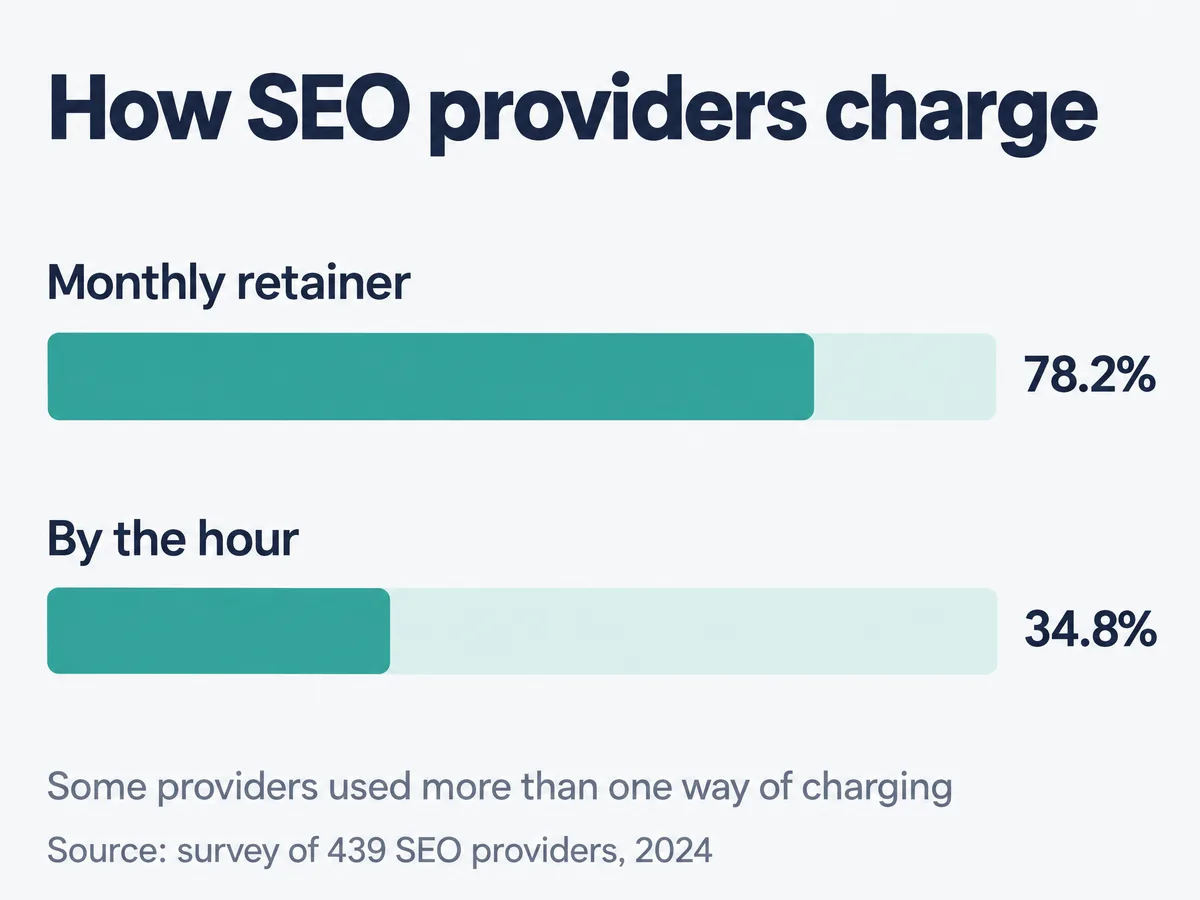
Most SEO providers charge a monthly retainer. In Ahrefs’ survey of 439 SEO providers (Ahrefs 2024), 78.2% charged that way and 34.8% charged by the hour, and some used more than one way of charging. Whatever a fractional lead charges, get in writing how much of their time the fee buys.
An agency also charges a monthly retainer, but the retainer buys a set amount of work spread across several people, usually a strategist, writers, a technical specialist, and someone who handles outreach.
The same survey is the closest independent price data. It doesn’t report fractional leads separately, so its consultant figures cover every kind of consultant:
- The most common monthly retainer was $2,501 to $5,000 for consultants and $501 to $1,000 for agencies.
- The average monthly retainer was almost the same for both: $3,250 for consultancies and $3,209 for agencies.
The most common agency retainer is $501 to $1,000 a month, but a second large share of agencies charges $2,501 to $5,000. That second group is why the agency average ends up close to the consultants’.
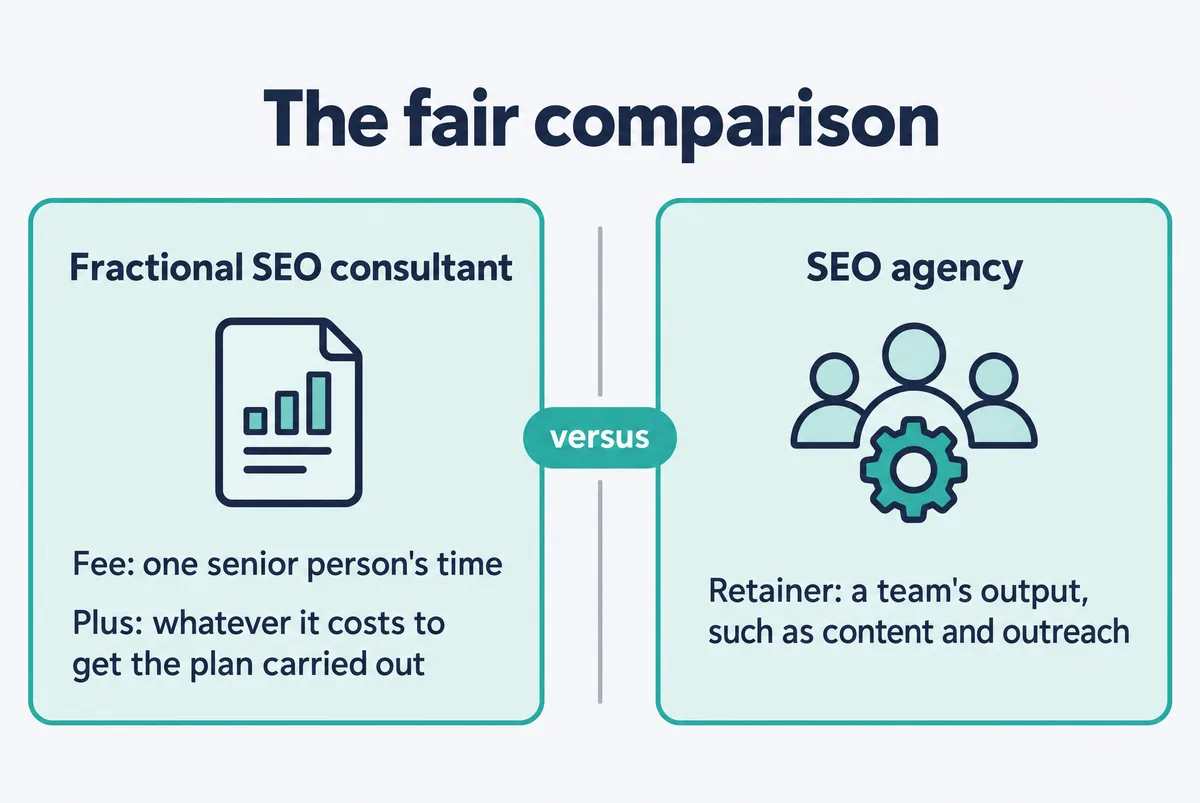
These numbers don’t make a fractional lead cheaper or more expensive than an agency, because the two fees buy different things. A consultant’s fee buys one senior person’s time. An agency’s fee buys a team’s output, such as content and outreach. The fair comparison is the fractional fee plus whatever it costs to get the plan carried out, set against the agency retainer. For typical SEO budgets at different spend levels, see how much SEO costs.
What else you pay for when you hire a fractional SEO lead
When the person you pay only plans and recommends, the work still has to be paid for somewhere. Backlinko’s pricing guide lists what that usually means: developer time for technical fixes such as redirects, schema markup, and site speed, writers for content, and designers for visuals. You also pay for outreach if your plan calls for getting your company mentioned on other sites. Tracking tools for SEO and AI search are another cost.
Some of that you may already have. If your company employs writers and has developer time to spare, the fractional fee may be most of the extra cost. If it doesn’t, the work has to go to freelancers or an agency. Without them, you are paying a senior person to write a plan nobody can carry out. Your own team’s time counts too: someone has to make decisions with the lead, and your writers and developers have to fit the lead’s requests into their work.
An agency covers more of this inside its retainer, but not always all of it. Emily Kramer, who writes the MKT1 newsletter on B2B startup marketing, notes that “many content agencies will do basic SEO keyword research for you. Typically, these same agencies won’t make technical SEO updates on your website for you.” Ask any agency which work is included and which needs your developers.
How a fractional lead and an agency compare on cost, work, and risk
| Fractional SEO consultant | SEO agency | |
|---|---|---|
| What the fee buys | Part of one senior person’s time each month | A set amount of work from a team |
| Who does the work | Your writers and developers, freelancers, or an agency | The agency’s staff |
| Average monthly retainer (Ahrefs 2024) | $3,250 (all consultancies; fractional not reported separately) | $3,209 |
| Paid for separately | Writing, development, outreach, and tools | Whatever the scope leaves out, often developer time for technical fixes |
| Time it needs from your team | Regular decisions with the lead, plus writers and developers who take direction | Someone to own the relationship and review the work each month |
| Who sets the strategy | The lead, who works inside your team | The agency’s strategist, from outside your team |
| AI search | The lead plans it; your writers, freelancers, or agency do the work | The agency can plan it and do it, if it does AI search work at all |
| Main risk | A plan nobody carries out, and depending on one person | Work done without enough knowledge of your product and buyers, by people you rarely see |
Which one fits your stage, team, and budget
The right choice depends mostly on who you already employ, and that tends to follow your company’s stage:
- Early stage, with no marketing hire and positioning still changing. Neither option is likely to pay off yet as an ongoing arrangement. One startup marketer advised a founder on Hacker News: “I would not recommend you hire a consultant to own marketing until you have a clear understanding of your ideal customer and targets.” The same comment warns that an agency hired before then will be “spinning their wheels trying to learn about your offering, customers, competitors, etc.” A one-time project or doing the early SEO work yourself usually fits better.
- A marketing generalist, but no writers or developers to spare. Hire an agency and have the generalist manage it. Kramer rarely recommends making an SEO specialist one of a startup’s first marketing hires, and says that instead “someone that owns inbound, web, and/or content can help manage an SEO agency.”
- Nobody with more than a few hours a month for SEO, or work that needs several skills at once. An agency fits, because it brings writers, technical help, and outreach together and needs the least day-to-day attention. Someone still has to review its work every month.
- Writers or developer time, but no SEO expertise. A fractional lead fits. They decide what your writers and developers should work on and check what they produce.
- An agency already in place, with nobody senior enough to judge its work. A fractional lead can direct the agency, set up the way the next section describes. If you want to check the agency first, how to tell whether your SEO agency is doing the work covers the checks you can run yourself.
- SEO competing with product work for developer time. A fractional lead can help, because making the case for SEO’s share of developer time is part of their job. A part-time outsider may still need someone senior on your payroll to back them up.
- A site redesign or a new site coming up. Bring in SEO help before the design work starts. Google’s own advice is that “a great time to hire is when you’re considering a site redesign (the earlier, the better), or planning to launch a new site.” A one-off project can cover this. A fractional lead fits if you also want someone to stay on after the launch.
- Enough SEO work to fill a full-time role. A full-time hire may cost less than either option. The agency vs freelancer vs in-house comparison works out how much outside work a month makes a hire the cheaper choice.
How a fractional SEO lead and an agency work together
You can also use both: a fractional lead who owns the plan and an agency or freelancers who carry it out. The risk is that you pay twice for strategy, or that each side blames the other when results are slow. Agreeing how the work is split before it starts makes both less likely.
- One strategy, owned by the lead. Hire the agency only to produce the work: content, technical fixes, and outreach. Write into its contract that it works from the lead’s roadmap, or you may end up paying the agency’s strategist for a second plan.
- The lead sets the work and reviews it. The lead writes or approves the briefs and the priorities, and checks what the agency delivers before it goes live.
- The agency reports to the lead and to you. You stay in the loop, and the lead can see whether the work matches the plan.
- Each side answers for its own part. The lead answers for the plan and the priorities. The agency answers for delivering the agreed work on time and to the agreed standard.
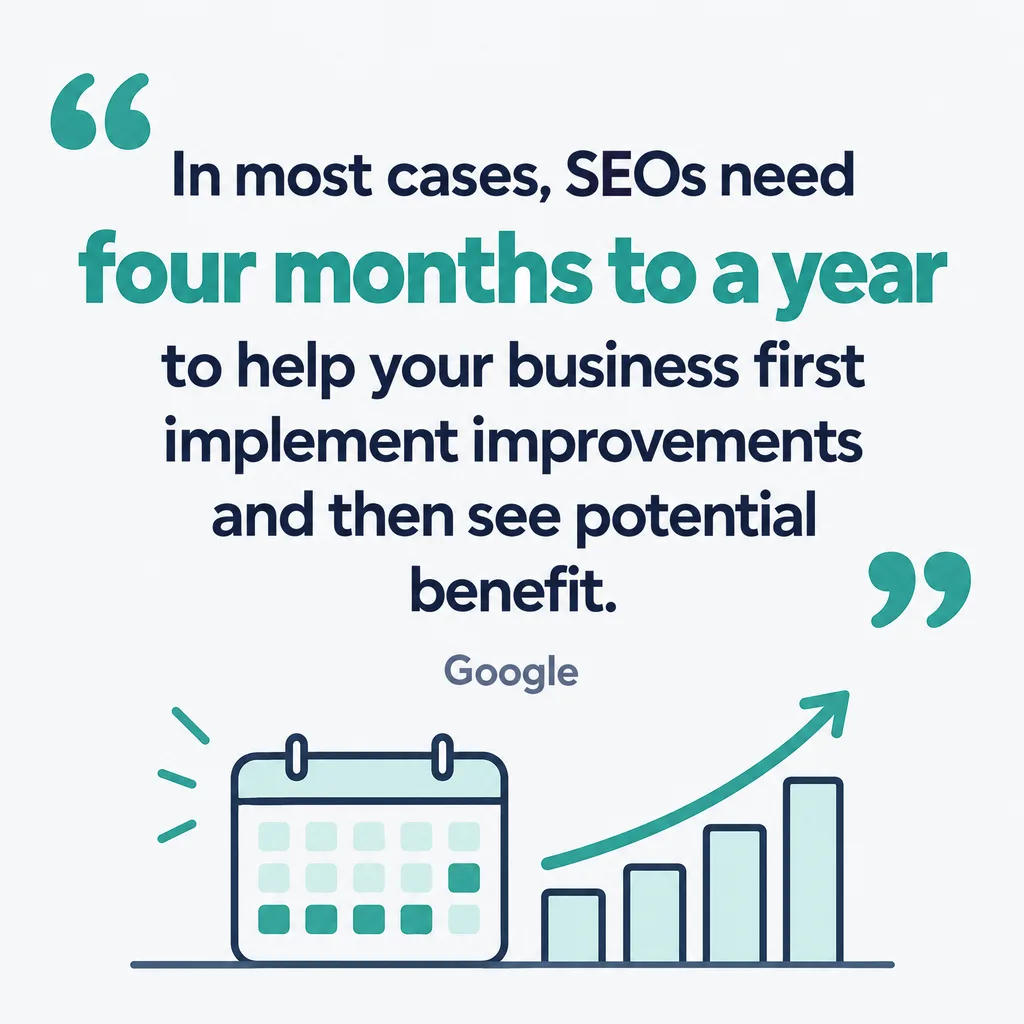
When results are slow, check the work first. If the planned work didn’t ship, the problem is usually execution. If it did ship, give it time before judging the plan. Google has said that “in most cases, SEOs need four months to a year to help your business first implement improvements and then see potential benefit”. If nothing has moved well into that range, the plan needs another look.
Someone on your payroll still has to own the arrangement. Natividad’s test for any agency hire applies to the whole setup: “Who on our team is going to own this project” and “how will we define success?” The fractional lead runs the SEO work, but a person inside the company has to judge the lead.
Who does the AI search work under each option
With a fractional lead, the lead plans the AI search work along with everything else: which buyer questions to track in AI answers, what content to write so it can be cited, and which outside sources (review sites, directories, comparison articles, discussion threads) your company needs to appear on. Your writers, freelancers, or agency then do the work. With an agency, the same team can plan it and do it, if the agency does AI search work at all. A lead or an agency that doesn’t do this work is selling legacy SEO, so ask before you sign: which AI prompts do you track for clients today, and how often do those clients appear in the answers? Someone who has done the work can show you the list and the results.
AI search (also called GEO or AEO) is the work of getting your company cited and recommended in answers from ChatGPT, Perplexity, Gemini, and Google’s AI Overviews. Google treats it as part of SEO: “optimizing for generative AI search is optimizing for the search experience, and thus still SEO.” It matters for SaaS and B2B software companies because of where their buyers start. In a G2 survey from March 2026, 51% of B2B software buyers said they start research with an AI chatbot more often than with Google, up from 29% in April 2025. How it works is explained in the AI optimization guide.
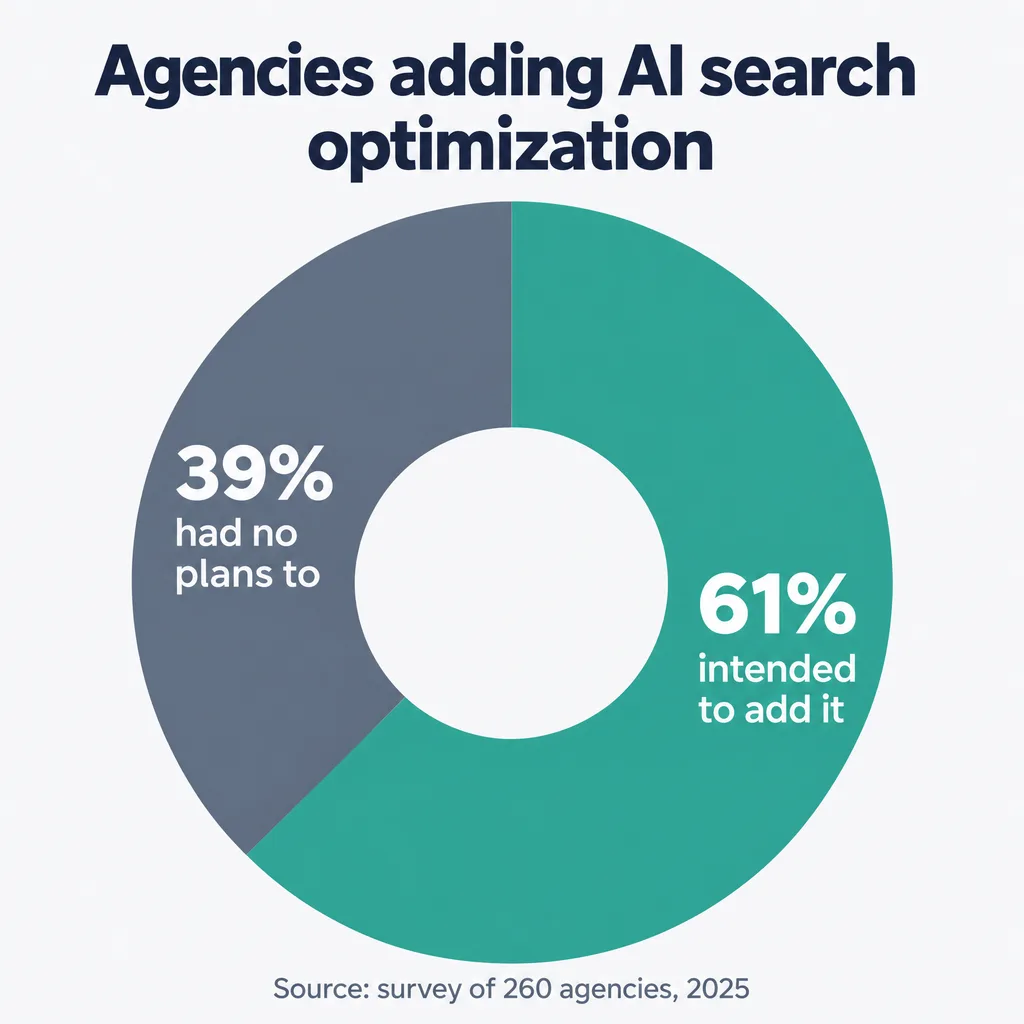
Not every agency does it yet. In SE Ranking’s 2025 survey of 260 agencies, 61% intended to add optimization for AI-driven search engines and 39% had no plans to. If you already work with a separate AI search vendor, running an AI search vendor alongside your SEO agency covers how to keep the two from overlapping.
How to know a fractional SEO lead is getting anything done
Much of a senior lead’s work is thinking and deciding, which you can’t see from the outside. Natividad describes the same problem with fractional CMOs: “Their limited time is spent on strategy, not execution, which often looks invisible.” Her fix is a regular check-in, such as a weekly email, covering one thing that moved forward and one thing that is blocked.
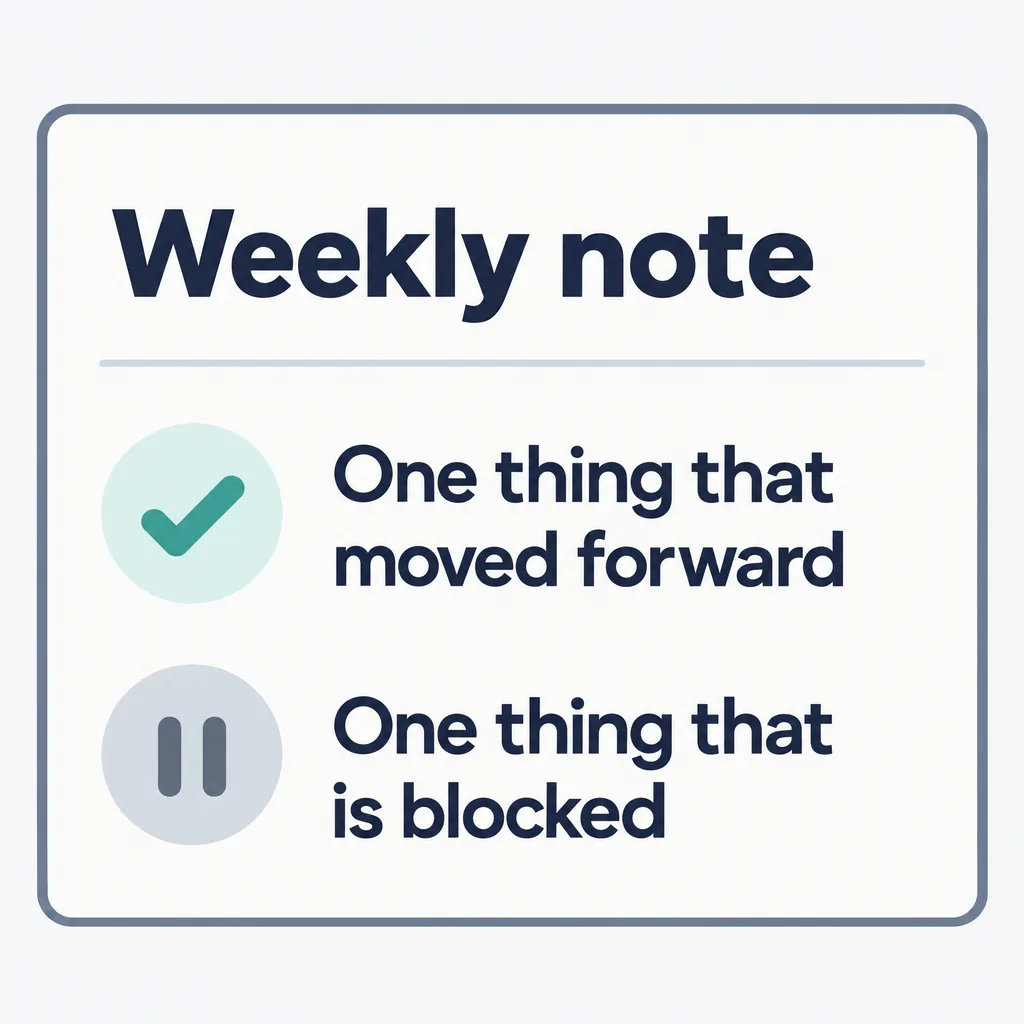
From the start, ask the lead for:
- A weekly note in that format, so you hear about blocked work while there is still time to fix it.
- A shared roadmap with an owner and a date on every item, which you can check at any time.
- A monthly report that ties the work to results. What an SEO report should include lists what belongs in it. Measuring SEO ROI for B2B and SaaS covers how to connect the results to pipeline.
In the first few months, judge the lead on whether the planned work shipped and whether the priorities make sense. Rankings and pipeline take longer to move.
Questions to ask before hiring a fractional SEO consultant
- How many days or hours a month will you work for us, and when can our team reach you?
- Which parts of the work will you do yourself, and which need our people or another vendor?
- Have you directed in-house writers, developers, or an agency before? What did that look like?
- Can you show examples of previous work and what it achieved?
- How will we measure success, and what results do you expect by when?
- Will you share every change you make or ask for, with the reasoning? Google suggests asking: “Will you share with me all the changes you make to my site, and provide detailed information about your recommendations and the reasoning behind them?”
- Does your AI search advice follow Google’s published guidance on generative AI features? Google advises checking any AEO or GEO advice an SEO gives against that guidance.
- How many other clients do you work with, and what happens if you are unavailable for a few weeks?
A promise of a specific ranking is a reason to stop. Google says it plainly: “No one can guarantee a #1 ranking on Google.”
Who keeps the roadmap, documents, and access when it ends
Your company should own everything the engagement produces and every account it touches. Keep the roadmap, briefs, audits, and reports in your company’s workspace, not the lead’s. Set up the tools in your company’s name and add the lead as a user.
For Google Search Console, add the lead as a user rather than an owner, and remove them when the engagement ends. Google’s help page on Search Console permissions explains the roles and how to remove access. The same applies to an agency. For minimum terms and notice periods, see what to know before signing a 12-month SEO contract.
How to choose an agency that can do AI search
Whether you hire an agency on its own or under a fractional lead, the agency still has to be checked for AI search work, and a fractional lead can run that check for you. Choosing an SEO agency for AI search covers the questions to ask and the answers that show an agency has done the work before.